
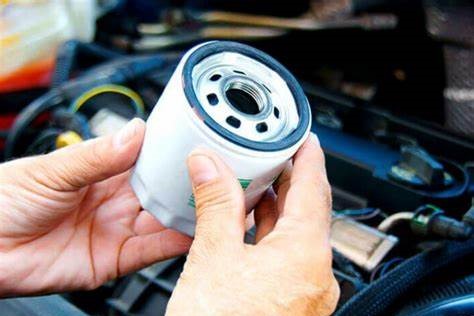
Maintaining your vehicle's engine is essential to ensure its longevity and performance. Part of this maintenance includes changing the oil filter at regular intervals. In this article, we will explore the importance of oil filters, how they work, and when and how often you need to change them.
Oil filter are a critical component of your vehicle's engine system. They play a vital role in keeping the engine's oil clean and free from contaminants, which is essential for its proper functioning.
Oil filter work by trapping and removing impurities such as dust, metal particles, and sludge from the engine oil. This prevents these contaminants from circulating in the engine, which can cause damage over time.
Several signs indicate that your oil filter may need changing, including reduced fuel efficiency, decreased engine performance, or the oil pressure warning light coming on.
The recommended frequency for changing oil filters can vary depending on factors like your vehicle's make and model, the type of oil filter used, and your driving habits. It's typically advised to change the oil filter with every oil change.
There are different types of oil filters available, each with its own characteristics and benefits.
Conventional paper filters are the most common and cost-effective option. They work well for standard driving conditions.
High-efficiency oil filters are designed to trap smaller particles and provide enhanced protection. They are suitable for vehicles that require high-performance filtration.
Synthetic oil filters offer superior filtration and are often used with synthetic engine oils. They are ideal for high-performance and premium vehicles.
Changing the oil filter yourself can save money but requires some mechanical skills and tools. It's essential to follow the manufacturer's guidelines.
Having a professional change your oil filter ensures it's done correctly. They can also provide additional checks on your vehicle's overall health.
Changing your oil filter at the right intervals is crucial for maintaining your engine's health and performance. Whether you choose a conventional paper filter, a high-efficiency filter, or a synthetic filter, regular maintenance ensures your engine runs smoothly.
It's not recommended to reuse oil filters. They are designed for single use and may not effectively filter contaminants a second time.
Yes, a clogged oil filter can lead to engine damage by allowing contaminants to circulate in the engine, potentially causing wear and reduced performance.
The right oil filter depends on your vehicle's specifications and your driving habits. Consult your owner's manual or a professional mechanic for guidance.
Failing to change the oil filter can lead to reduced engine performance, increased wear, and potential engine damage over time.
High-efficiency oil filters can enhance your car's performance by providing better filtration, leading to improved engine efficiency and longevity.