
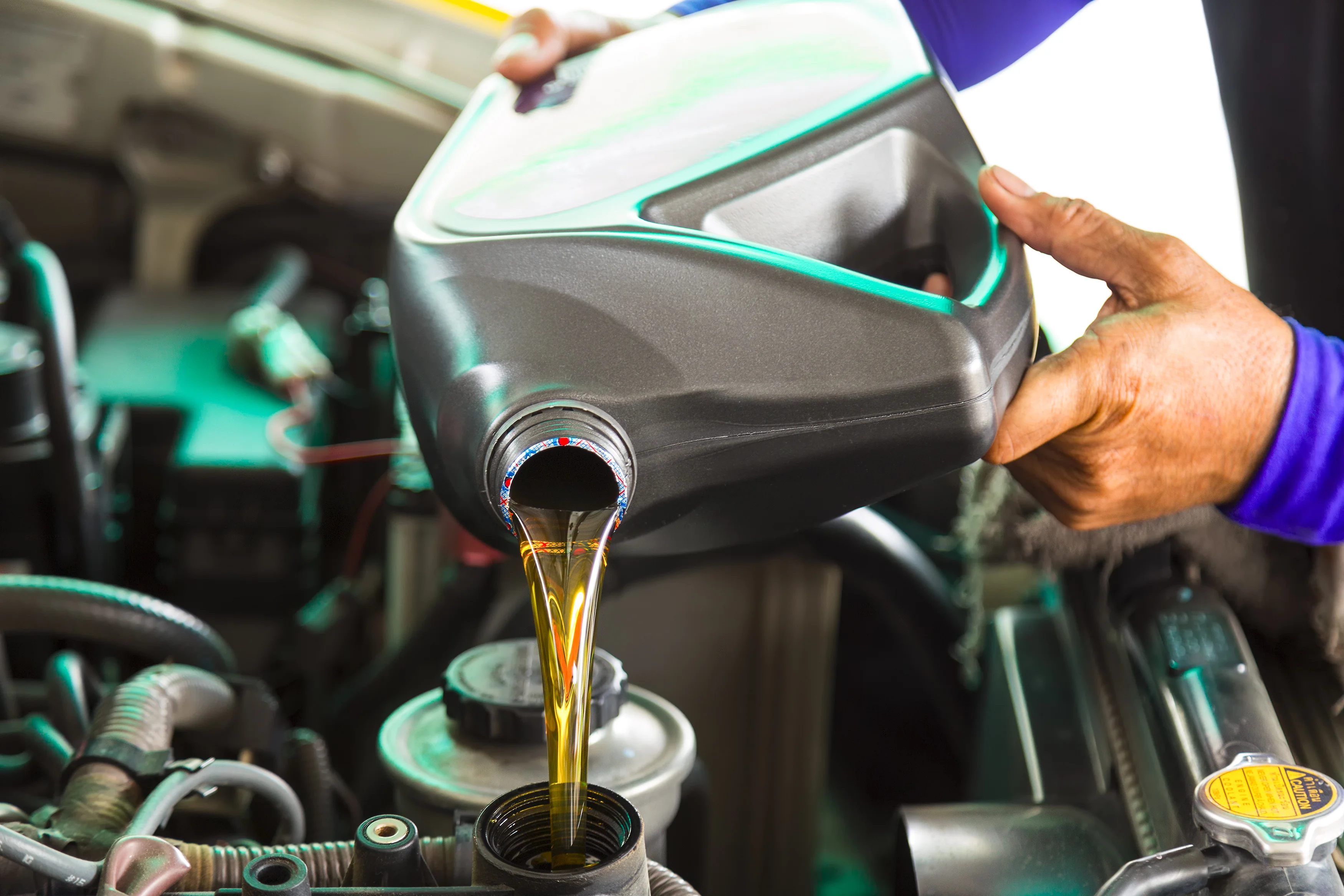
Choosing the right engine oil for your car is crucial not only for its longevity but also for its performance. The type of oil you select can significantly impact your car's engine efficiency, responsiveness, and overall performance. In this article, we will explore the various factors that affect your car's performance and how choosing the right oil can make a difference.
Engine oil plays a vital role in ensuring that all engine components work smoothly. It lubricates, cools, and cleans the engine, thereby affecting its overall performance.
One of the first decisions when choosing engine oil is whether to opt for synthetic or conventional oil. Synthetic oil is known for its superior performance characteristics, including better lubrication and stability across a wide range of temperatures.
The viscosity of the oil, indicated by numbers like 10W-30 or 5W-40, determines its flow properties. Lower viscosity oils flow more easily at low temperatures, while higher viscosity oils perform better at high temperatures.
High-performance cars often have more demanding engine requirements. These vehicles benefit from oils specially designed for them, as they provide enhanced protection under high-stress conditions.
Performance-oriented oils are formulated to improve engine efficiency, reduce friction, and offer better protection under high temperatures and pressures. They can also enhance fuel efficiency.
Oil additives are substances mixed with engine oil to enhance its properties. They can play a critical role in improving engine performance.
Oil additives can improve engine performance by reducing friction, preventing corrosion, and enhancing fuel efficiency. They can also extend the life of the engine.
Common oil additives include detergents, dispersants, anti-wear agents, and viscosity index improvers. Understanding these additives can help you choose the right oil for your car.
There are many misconceptions about engine oil, which can impact your decision-making process.
This section will address common myths, such as the notion that higher viscosity oil is always better or that synthetic oil can harm your engine.
Regular oil changes are essential for optimal engine performance. This section will provide guidelines on when and how often to change your engine oil.
Choosing the right engine oil for your car is a critical decision that can significantly impact its performance. Synthetic vs. conventional oil, viscosity, additives, and proper maintenance all play a role in determining how well your car performs.
Yes, you can use synthetic oil in an older car. In fact, it may help protect the engine and improve performance.
The frequency of oil changes depends on factors like the type of oil, your driving habits, and your car's age. Consult your owner's manual for guidelines.
Using high-performance oil generally does not void your car's warranty. However, it's essential to use the oil recommended in your owner's manual during the warranty period.