
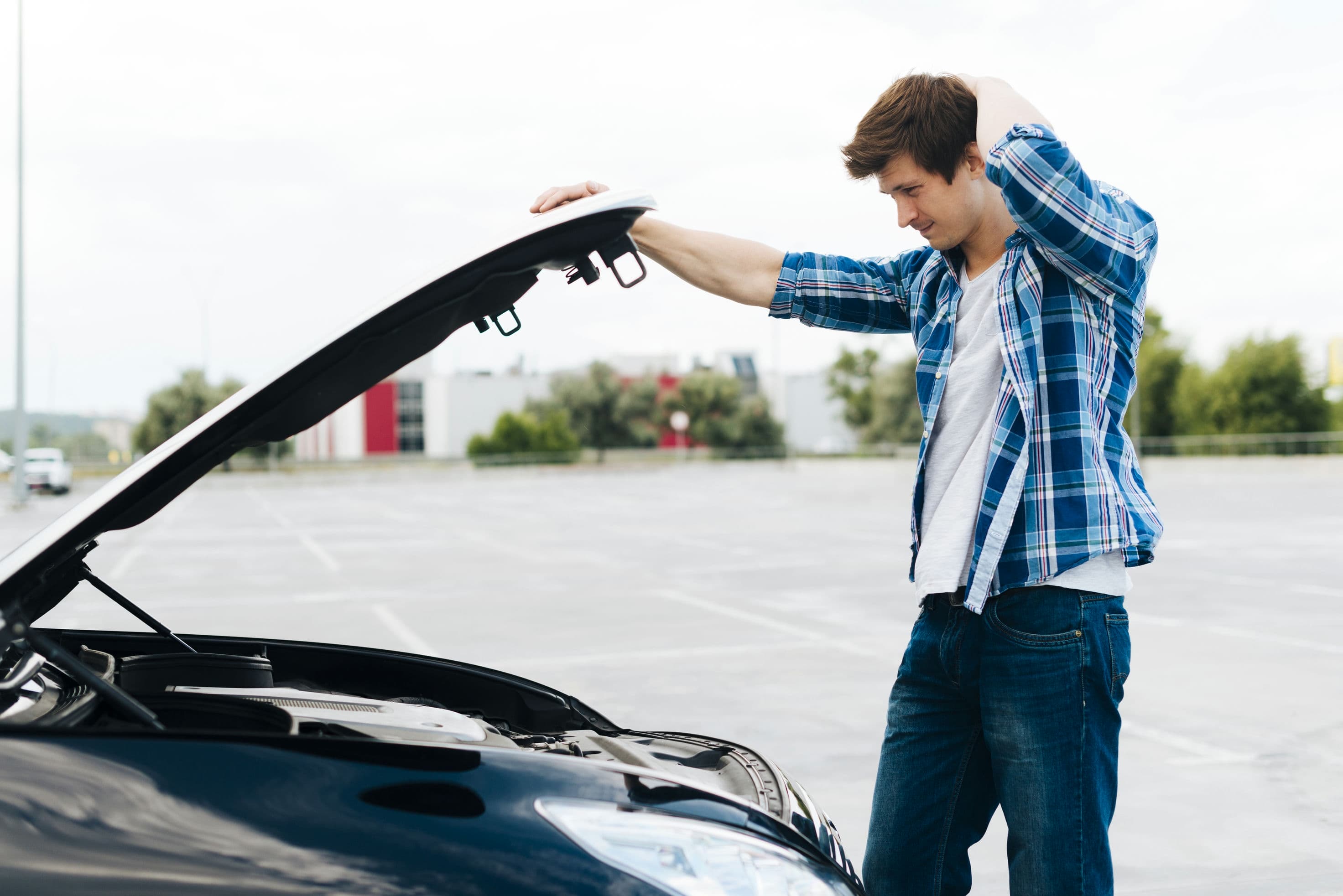
Overheating is a common issue that plagues many vehicles, causing inconvenience, damage, and sometimes even engine failure. Understanding the common causes of overheating is essential for maintaining your vehicle's health and safety. In this article, we'll explore the ten most prevalent reasons why engines overheat and how to prevent them.
One of the primary culprits of overheating is a cooling system failure. This can be due to a malfunction in the cooling fan, which is responsible for maintaining the optimal temperature of the engine. When the fan stops working, the engine temperature can rise significantly.
Insufficient coolant in the radiator is a frequent cause of engine overheating. Coolant, or antifreeze, not only keeps the engine from freezing in cold weather but also prevents it from overheating. Low coolant levels can result from leaks or neglecting regular maintenance.
The thermostat in your car's cooling system regulates the flow of coolant. When it malfunctions, it can get stuck in the closed position, preventing coolant from circulating, or in the open position, causing the engine to run too cold. Both scenarios can lead to overheating.
A damaged or clogged radiator can impede the proper circulation of coolant. Debris, corrosion, or leaks in the radiator can lead to a reduction in cooling efficiency, ultimately resulting in engine overheating.
The water pump is responsible for circulating coolant through the engine. If it fails, the engine can overheat quickly. Common signs of a faulty water pump include coolant leaks and unusual noise from the pump area.
The serpentine belt powers various engine components, including the water pump. A worn or damaged belt can lead to a lack of coolant circulation, which is a major cause of engine overheating.
Coolant hoses can deteriorate over time, leading to leaks. When hoses are damaged or cracked, coolant can escape, causing a drop in coolant levels and, subsequently, engine overheating.
A clogged radiator can restrict the flow of air through the cooling fins, reducing the radiator's efficiency. Dust, debris, and sediment can accumulate over time, leading to overheating.
Inadequate or degraded engine oil can hinder the engine's ability to dissipate heat. This can lead to increased friction and heat production, ultimately resulting in overheating.
External factors like extreme weather conditions, such as high ambient temperatures or heavy loads, can strain the cooling system and lead to overheating. Regular maintenance and cautious driving can mitigate these factors.
Understanding the common causes of overheating in your vehicle is crucial for preventing breakdowns, costly repairs, and potential engine damage. Regular maintenance, including checking coolant levels, inspecting hoses, and ensuring the cooling system is functioning correctly, can help keep your engine cool and your travels trouble-free.
You can prevent overheating by maintaining proper coolant levels, checking for leaks, and ensuring the cooling system components are in good condition.
It's not safe to drive an overheating car, as it can cause severe engine damage. Pull over, turn off the engine, and seek professional assistance.
If your car begins to overheat while driving, pull over to a safe location, turn off the engine, and let it cool down. Check coolant levels and look for visible issues. If in doubt, call for professional help.
Regularly check your coolant levels, especially before long trips or during seasonal changes. A monthly check is a good practice.
Yes, signs of an overheating engine can include a rising temperature gauge, steam from the engine, warning lights, and strange engine noises. If you notice any of these, it's essential to address the issue promptly.