
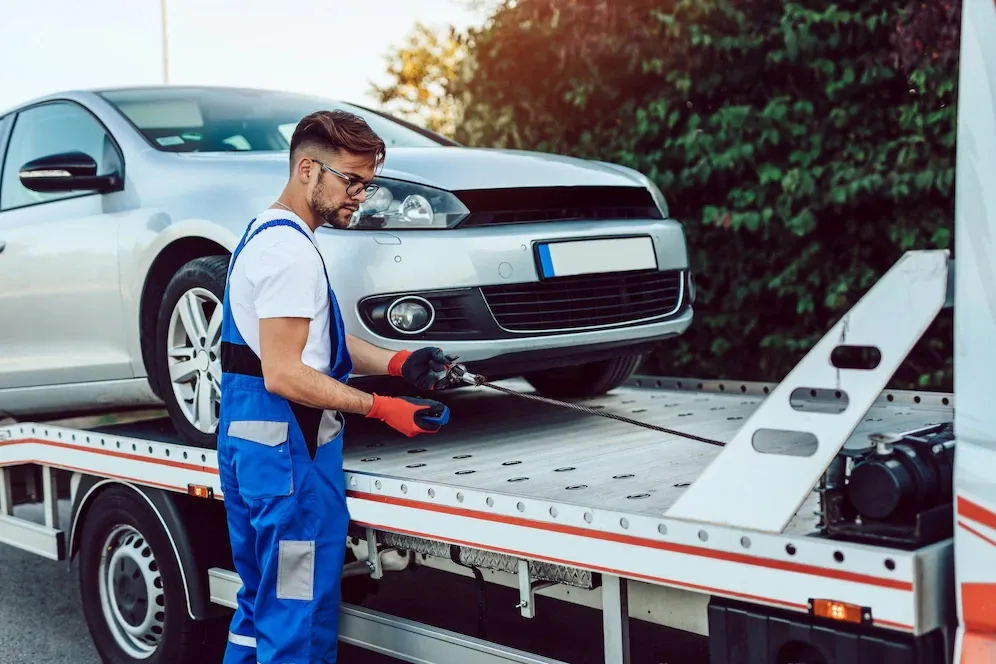
Vehicle recovery is a skill that every driver should possess, as getting stuck in challenging situations is not uncommon. Whether it's due to mud, snow, or a simple engine failure, knowing how to efficiently recover your vehicle is crucial. In this article, we'll explore three essential tips that will help you navigate such situations with confidence.
Vehicle recovery refers to the process of rescuing a stranded or immobilized vehicle and returning it to a drivable condition. It can involve various techniques, equipment, and safety measures to ensure a successful outcome.
Before we delve into the tips for efficient vehicle recovery, let's highlight the importance of safety. Safety should always be your primary concern when attempting any recovery operation. Ensure that you, your passengers, and others on the road are out of harm's way. Use warning signs or cones to alert other drivers and wear appropriate safety gear.
Efficient vehicle recovery requires the use of the right equipment. The success of your recovery mission largely depends on having the appropriate tools. Depending on the situation, you may need items like tow straps, winches, recovery boards, or other specialized equipment. Ensure that your equipment is in good working condition and suitable for the size and weight of your vehicle.
Before you dive into any recovery operation, take a moment to assess the situation thoroughly. Understand the cause of your vehicle's immobilization – whether it's stuck in mud, snow, sand, or due to a mechanical failure. Evaluate the condition of the terrain and your vehicle. This assessment will guide you in choosing the most suitable recovery technique.
The first and foremost tip for efficient vehicle recovery is prioritizing safety. Here are some key safety considerations:
Choosing the appropriate equipment is critical for a successful recovery. Here's what you should consider:
Efficiency in vehicle recovery also hinges on using the proper techniques. Here are some important techniques to keep in mind:
While knowing how to recover a vehicle is essential, there are situations where professional assistance is required. If you're unsure about the recovery process or if the vehicle is in a precarious position, it's wise to seek help from a towing service or a recovery expert.
Regularly maintaining your recovery equipment is vital for its longevity and effectiveness. Clean and inspect your equipment after every use, and replace any damaged or worn parts promptly.
In conclusion, efficient vehicle recovery is a skill that can be invaluable in unexpected situations. By prioritizing safety, choosing the right equipment, and using proper techniques, you can increase your chances of successfully recovering your vehicle while keeping everyone safe.
Yes, you can recover a vehicle on your own if you have the necessary equipment and knowledge. However, safety should always be your top priority, and professional help is advisable in complex situations.
If your recovery equipment is damaged, replace or repair it before attempting any recovery operations. Using damaged equipment can lead to accidents.
To prevent your vehicle from getting stuck, avoid driving in extreme conditions, maintain your vehicle, and use appropriate tires for the terrain.
In remote areas, contact a towing service if possible. If help is not available, prioritize your safety and wait for assistance.
Vehicle recovery may be covered by some insurance policies, particularly if the immobilization is due to an accident. Check with your insurance provider for specific details.